After winter 2020
On grief, endings, and conclusions
In February 2020 I left the garden and moved in with my parents in Northumberland. My PhD journey had not been straightforward. Bereavements, an unexpected move, and family illness had already provided me with several barriers to overcome. So, when my long-term relationship ended abruptly, and I needed to return to the proverbial nest from which I had flown some 13 years previously, I decided to take a break from my research and give myself some space to pause and come to terms with the grief and turmoil I was experiencing.
Less than a month later, the first Covid-19 lockdown was announced. Not only had my world stopped, it seemed that everyone else’s worlds had stopped as well. This was a surreal and anxious time for everyone.
In the deep malaise of heartbreak, the unseasonably good weather coupled with access to private outdoor space was a lifeline during those first months of lockdown. I would sit each morning in the fresh air and watch the birds flying over the garden. The nearby A1, which usually asserted its presence in a low undertone of traffic noise, was eerily silent.
I was at home in my parents’ garden as much as I had been in my own but to the wildlife, I was a stranger. The residents and visitors of this garden took time to adjust to my presence. Starlings would call from the roof tops, singing their mimic mix calls – a black bird, a drill, a duck. A robin couple would hope from the bushes behind the house to the fence keeping their beady eyes on me, puffing out their red chests as though warning me to keep my distance.
As the pandemic worsened, I continued to find refuge in the garden, watching the newly hatched starlings poke eager open mouths from their gutter nest in the neighbours’ eaves and a pair of red kites swirling lazily on high thermals in the clear sky. I saw magpies too, but unlike my York mischief, these remained distant and rarely ventured into the garden.
In the evenings the cleeper-cleeper sound of oyster catchers flying overhead signalled time to wind down for bed and my sleepless nights were punctuated by the toowit – hwoo calls of a pair of tawny owls.
After two years of uncertainty and turmoil, slowly the world began to return to normal. I had changed a lot during this time. I was working full time to support myself, though still living from one room in my parents’ house and helping to care for my dad. I returned to my research with fresh perspective, but the prospect of working with such situated material was not a pleasant one.
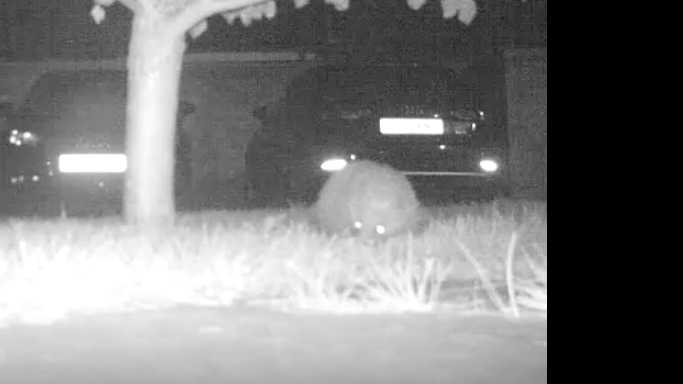
Each recording of the garden critters was a reminder of the life I had been building. Frequently, my ex and I would feature, as we walked past the trail camera, going about our daily lives with, on my part at least, no idea of the disruption that lay ahead.
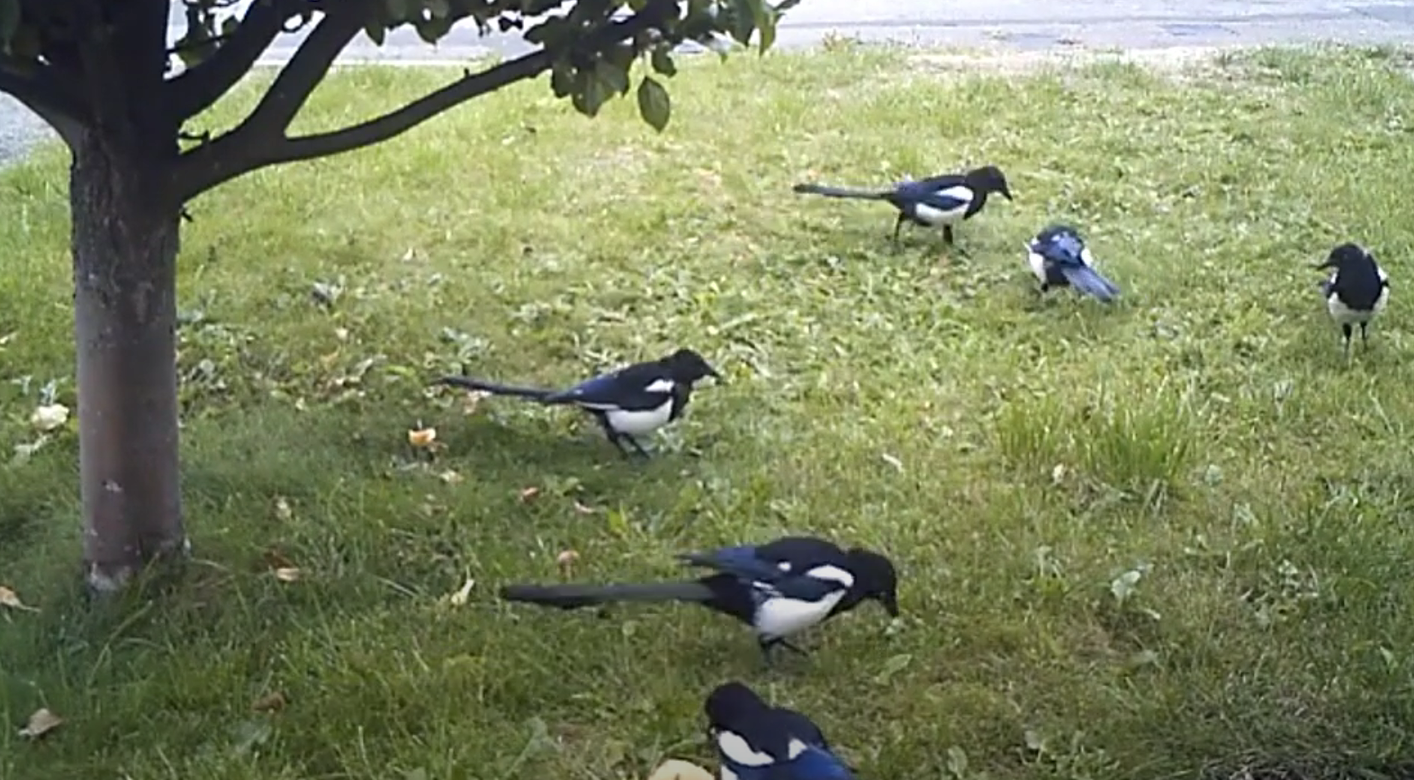

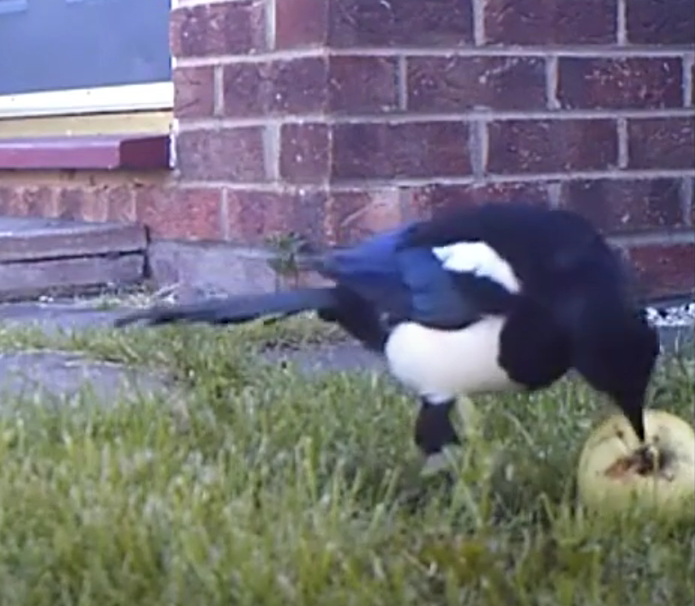


For a time, my work felt tainted. It was as though I was being stalked by some monstrous creature, that demanded my attention, but I did not want to look directly at. Gradually, by revisiting the less literal documentation of the work (my writing and drawings) I began to recognise the creature for what it was: my own anxiety and self-doubt.
It had been a long time since I had started this research. The landscape had changed so much. I read work published by others that overlapped with my own. Was my perspective still relevant? Or, in all the time I had been away from the academic world, had things moved on?
When confronted directly, the monstrous creature was diminished, and instead I began to feel the kinship of my magpies again in the objects and digital echoes of our co-produced artworks.
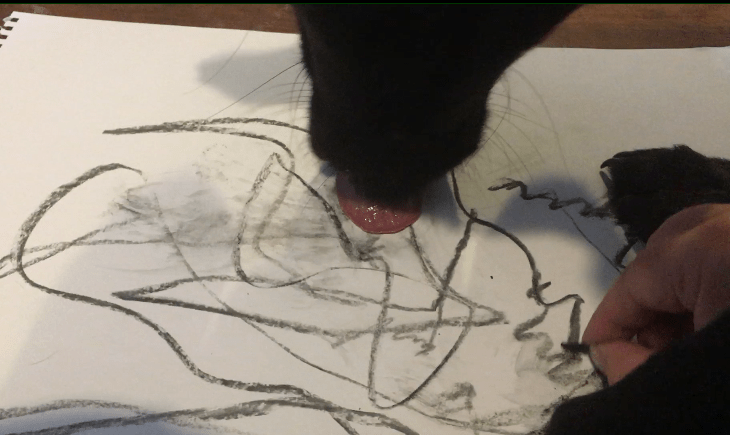
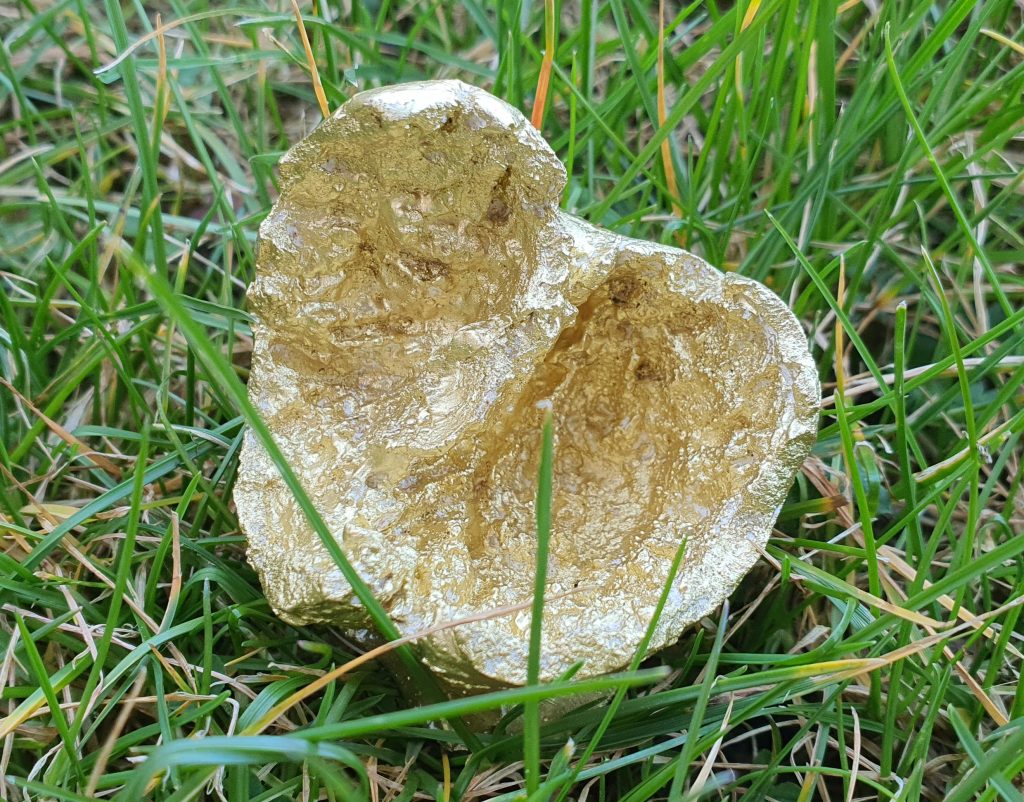
These collaborative experimentations had been cut short when I left the garden. I found myself wondering if the magpies were puzzled by my abrupt disappearance. However just as my research had been an exercise in relinquishing control, this too was a process of letting go, of learning from what was there rather than lamenting what could have been.
In the past I have described my practice as a process of continuous development, punctuated by the research papers, exhibitions and artworks that I have produced. This pause in my research felt different to those punctuations, perhaps because the pause had been so abrupt and under such devastating circumstances. It felt like a half-finished sentence left hanging in the air. My conversation with the garden critters cut off. However, it did beg the question, at what point is a work finished?
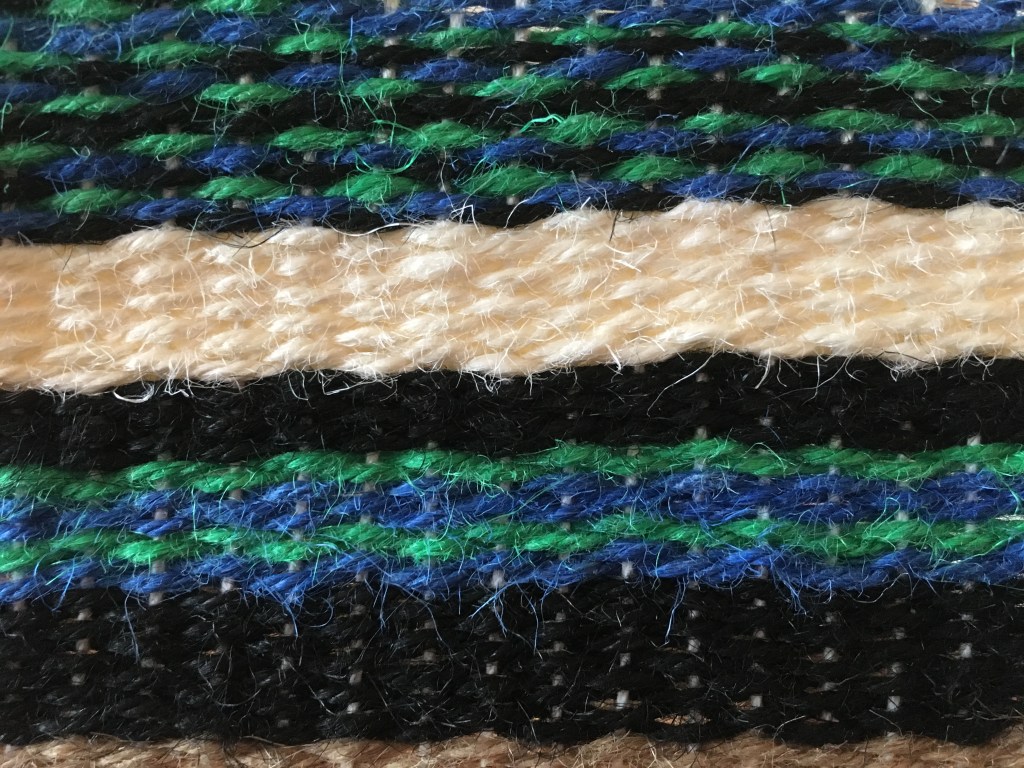
As I near the end of this period of research, I find myself having to draw boundaries and cut threads as I write my conclusions. Perhaps these too are just pauses, and these lines of inquiry might be picked up again, but for now I must cast off, and weave in the ends.
I must once again leave the garden, at least for a little while.

 Asymmetric Co-production