Loose thread I
The zoo as a site of human/animal encounter
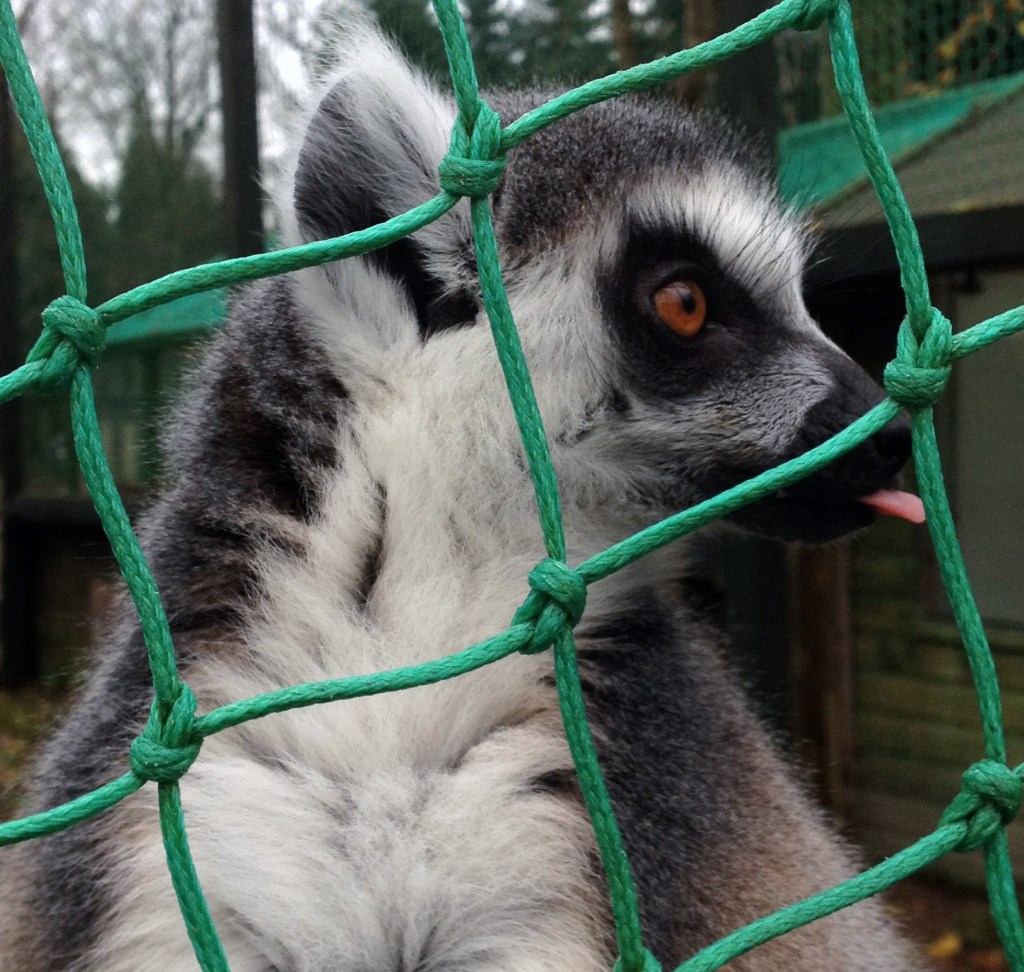
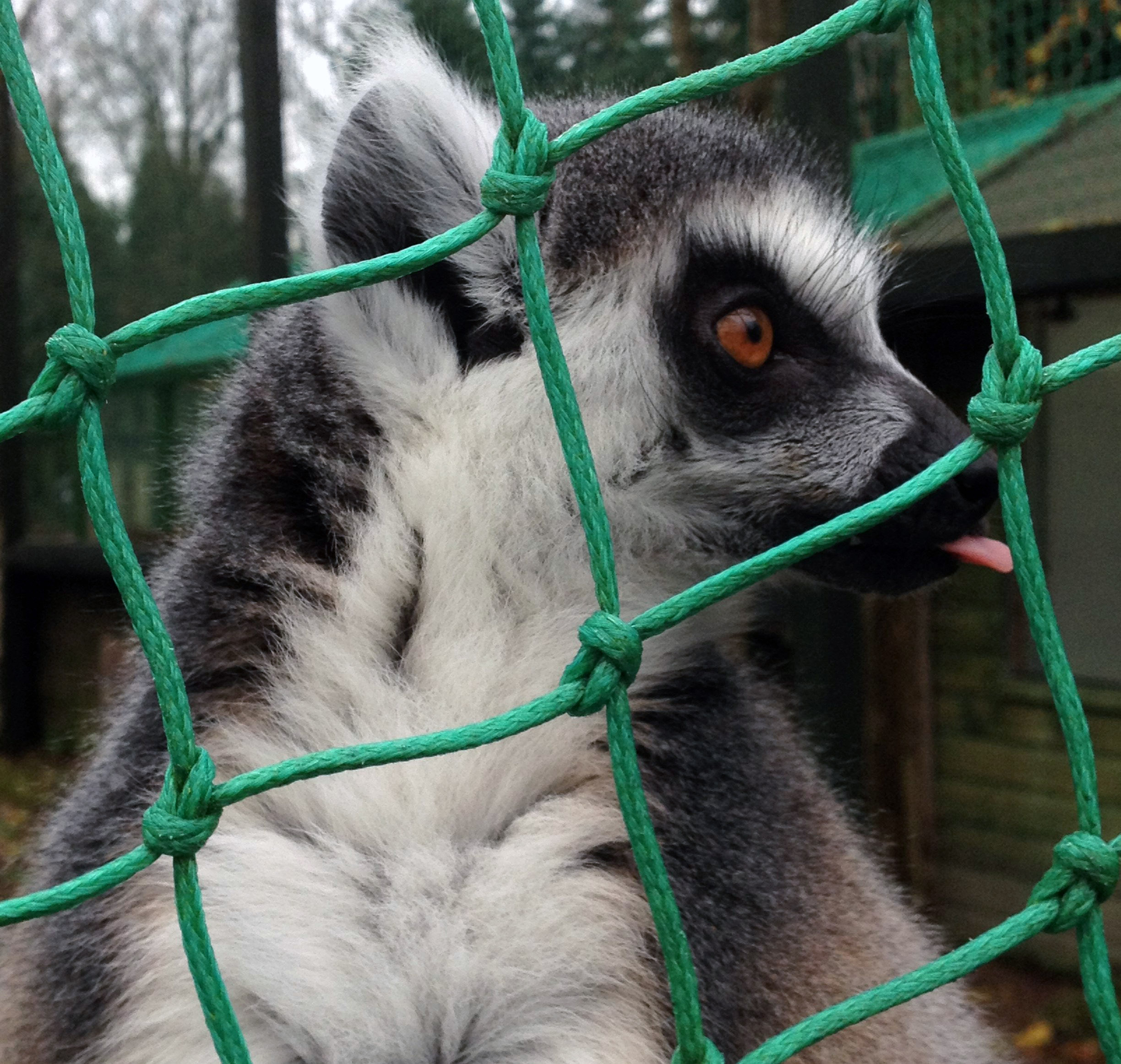
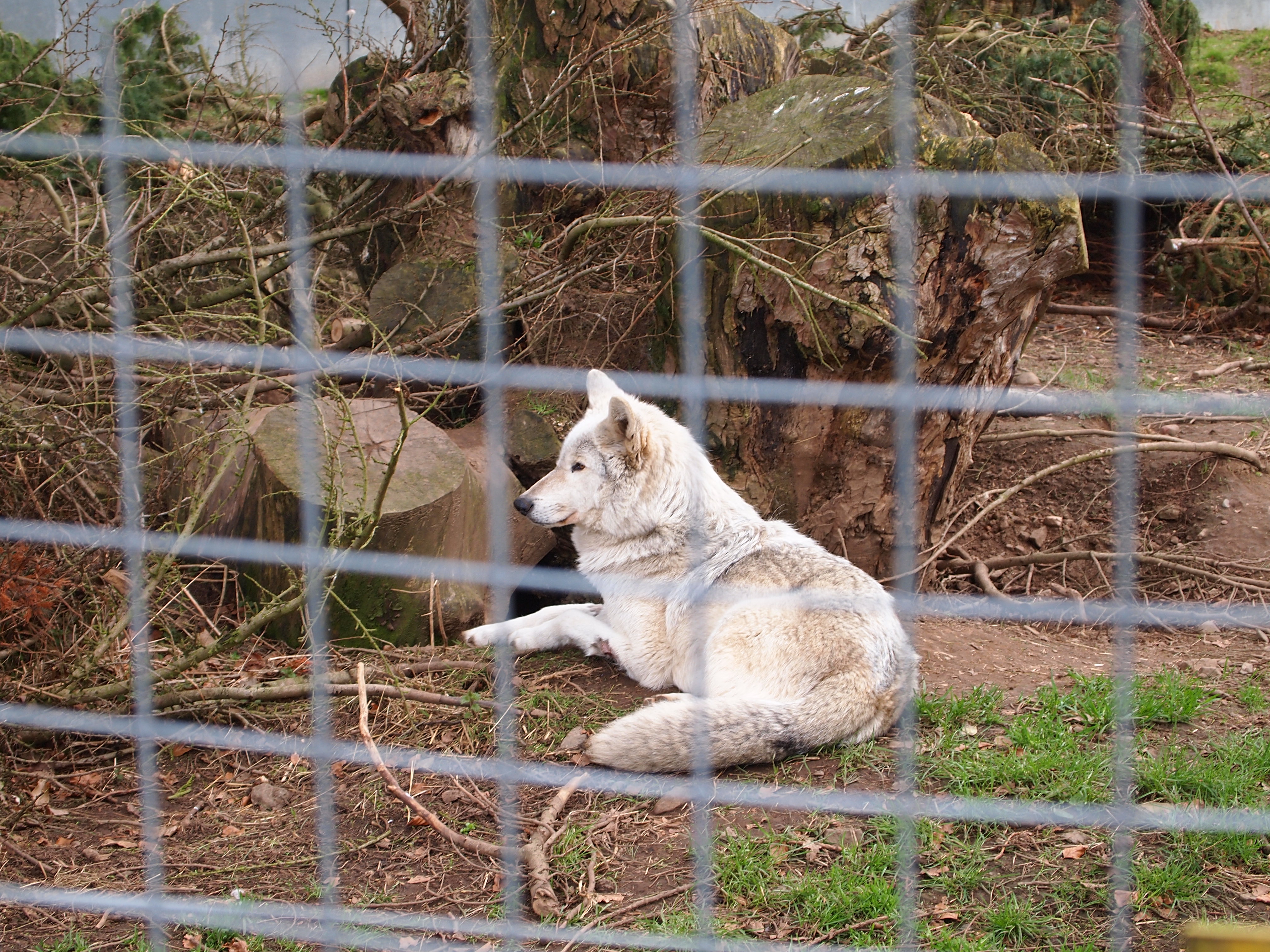
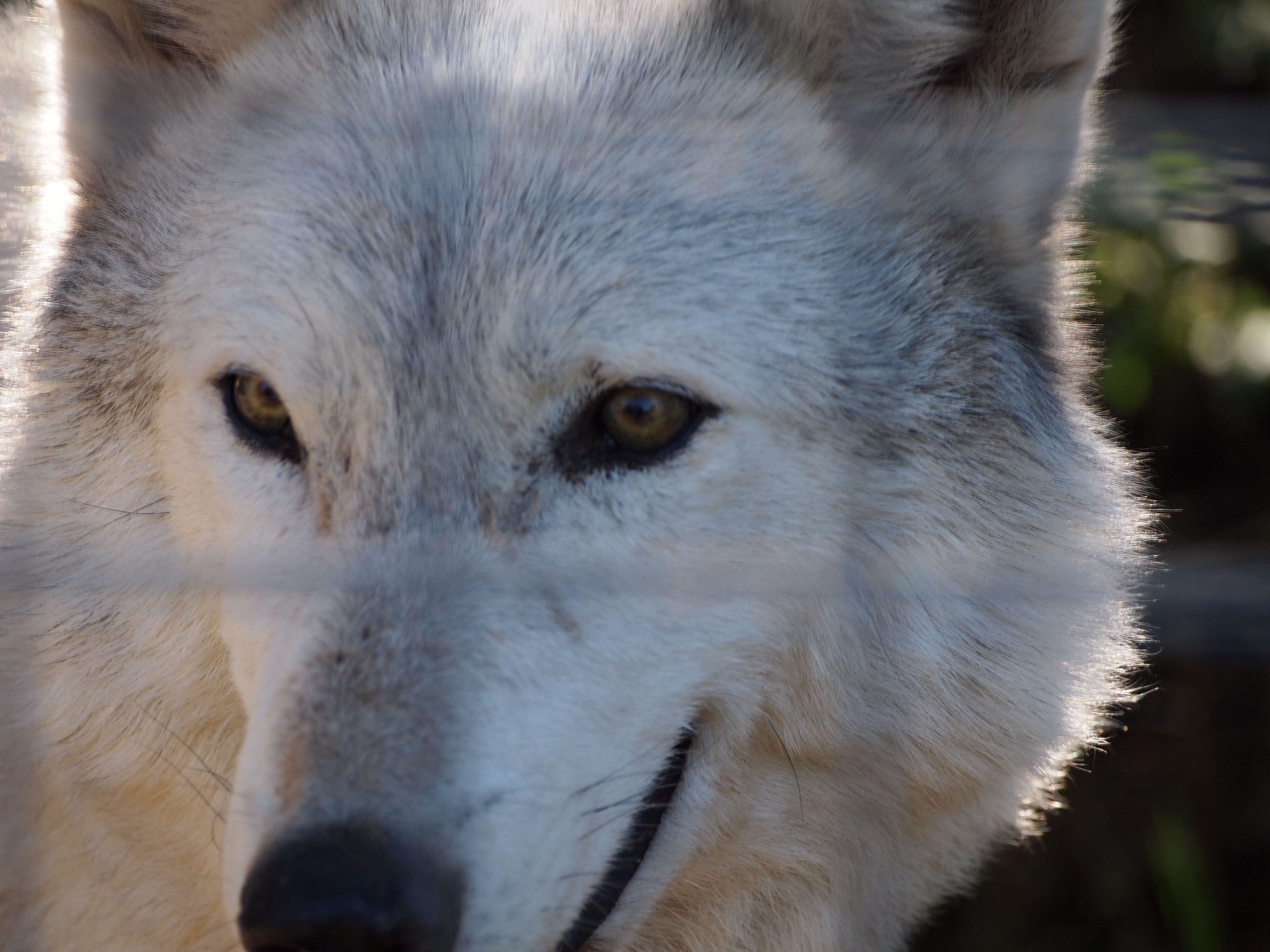
Selected images from residency at Camperdown Wildlife Centre in Dundee, 2013. This residency inspired the initial proposal for my PhD research which intended to explore conservation spaces such as the zoo as sites for human/animal encounter.

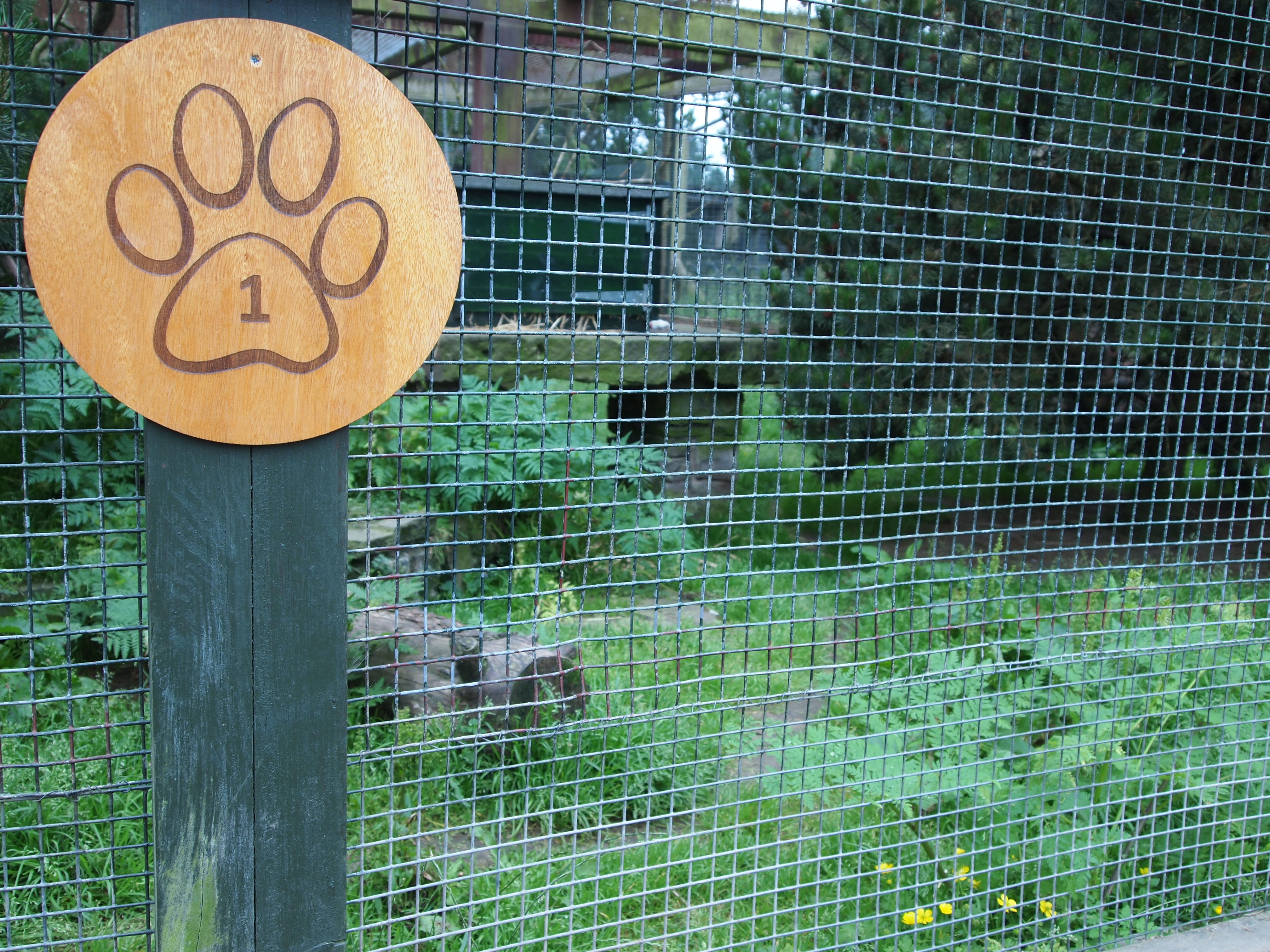


Zoos are peculiar liminal spaces full of animals which cannot be categorised as either wild or domestic. In an odd way, animals at the zoo do not represent themselves; they operate as ambassadors for their species, the individual standing for the species yet most of these animals have been bred in captivity and so, in all but aesthetic, bear little resemblance to the animals they represent. Though they may retain species instincts, e.g. migration, with no outlet for these instincts, their behaviours are altered, and these ingrained urges may manifest in compulsive behaviours such as pacing and rocking.
Conservation sees zoos as genetic arks, insurance against the mass extinction event occurring at the moment, yet zoo genetics are peculiar as well. A complex system of interzoo breeding and animal swapping occurs in order to avoid inbreeding and maintain ‘strong’ bloodlines. This also results in a type of zoo-eugenics in which weak or ‘spare’ individuals are culled as the resources are reserved for the genetically healthy.
While the ethics of zoos are a discussion for another time, these aspects are worth bearing in mind when considering how they facilitate encounter and proximity to the animals within them. These animals perform a specific role and the dividing of human and animal space, as well as the porous barrier of the fence feed into that performance. The fence renders the animal as spectacle in its own home and the visitor as spectator.
Our desire to be close to animals is anthropocentric, it is for our own benefit and not the benefit of the animal. We want them close on our terms or to reveal something about ourselves. We feel a thrill at being close to a ‘wild’ animal such as a tiger or bear, but this thrill is derived from holding power over an animal that could be our predator. Is akin to the thrill we feel watching a horror movie, we like to get up close to our ‘monsters’ to see their teeth and claws, to smell their scent, but the majority only want this encounter in a way that they know they are completely safe. Alternatively, we want to baby the animals, to feel their fur and warm bodies close to us. We are attracted by ‘cute’ animals, with large eyes and small features which appeal to our nurturing instincts, and these things, combined with a psychological urge to collect, leads us to keep animals in cages. For our collections, the more colourful or exotic the better, the cuter or fiercer the better.
Increasingly zoos are offering us the chance to get closer than ever to their animals, many now have shared space enclosures, where visitors can go into the animal space for close contact encounters. The fence still plays a vital role as signifier in these encounters, by being “on the other side” within the animal space or to have the animal roaming free in the human space within the zoo, creates a new dynamic.
Much of the thrill of my residency at Camperdown Wildlife Centre came from my transgression of the established boundaries. Being able to “go behind the scenes” and get closer to the animals than a regular visitor bestowed a magic on my encounters, even where I was no closer to (or in some cases was actually physically further away from) the animal.
I was particularly curious about encounters where actual contact can be made between human visitor and zoo animal, for example in feeding experiences or petting displays.
Selected images from visit to Askham Bryan Wildlife & Conservation Park, York, while scoping potential sites for this PhD research.
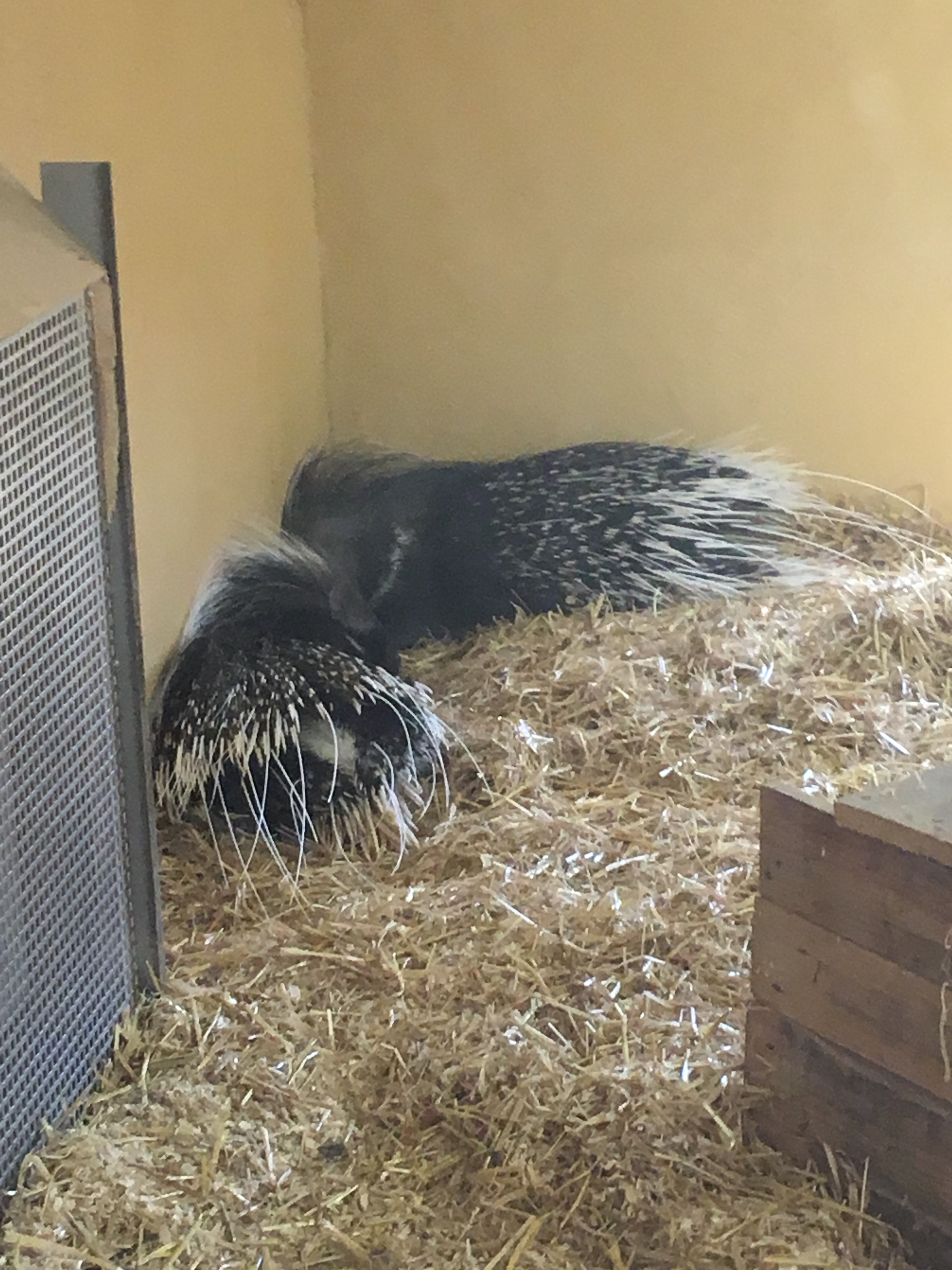
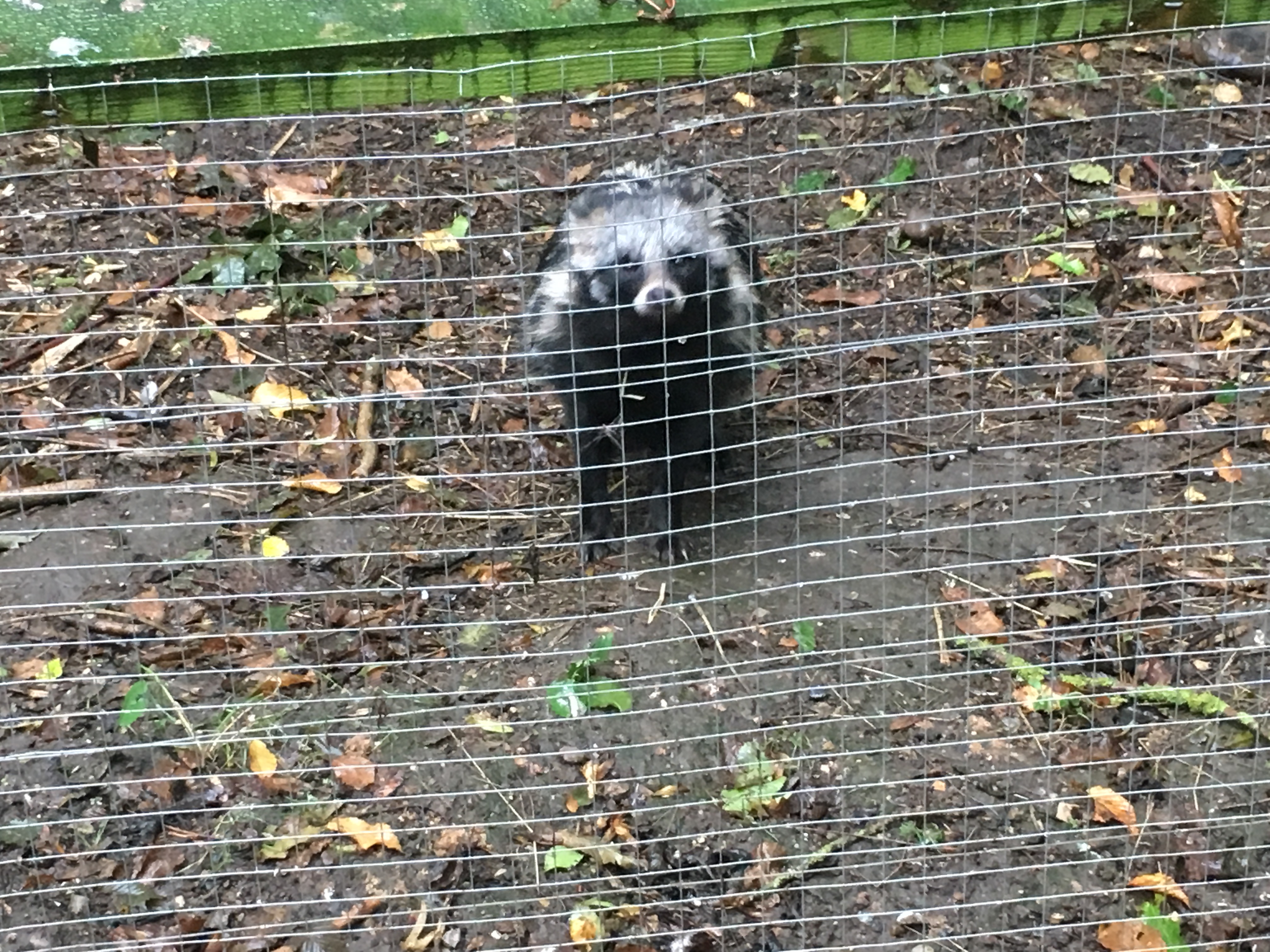
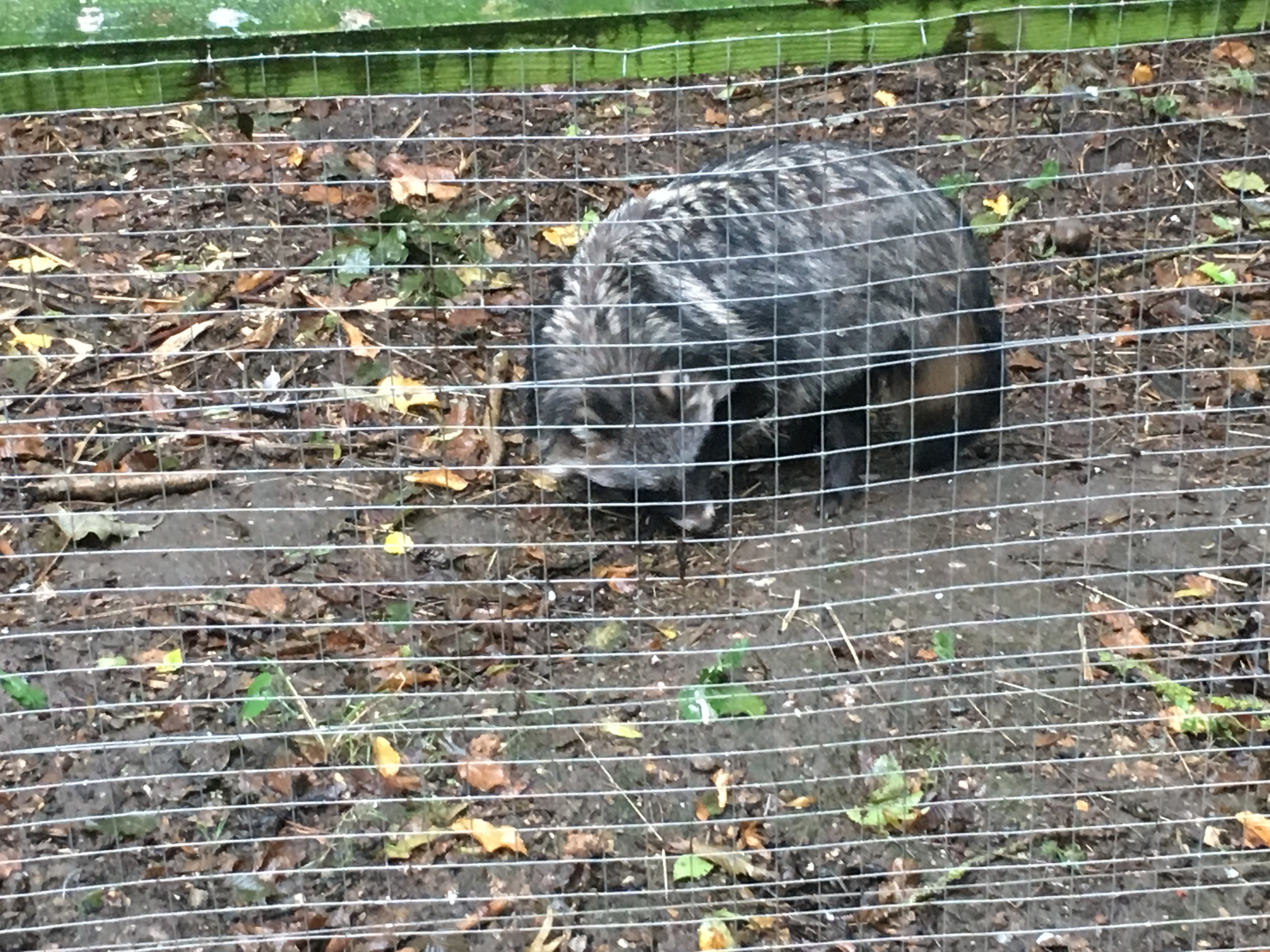


The Wildlife and Conservation Park at Askham Brian is part of York College. It is both a zoo open to visitors and a teaching space where students learn to look after exotic creatures and how to communicate the conservation message to children and adults alike. It is much like other wildlife centres in the UK, comprising of an indoor area with amphibians, reptiles and insects and a large outdoor area containing fenced off habitats for larger mammals and birds.
At this visit I met a parrot in the bird enclosure. Most of the birds in this enclosure seemed content to do their own thing, ignoring my presence completely. One however flew over and perched on the fence at head height, it looked at me, moving its head from side to side and as I moved it followed, climbing across the chain link.
This encounter reminded me of quiet days at Camperdown where I, as the only visitor, appeared to become the entertainment for the bears who would sit and watch me from behind the fence as I sat and sketched them. Times like this in which the observer becomes the observed, not through a passing glance, but a prolonged and interested observation, seem to challenge the spectator/spectacle dynamic discussed above. When the animal object of our human gaze returns it, we are forced to confront them not as passive but as active, autonomous beings.
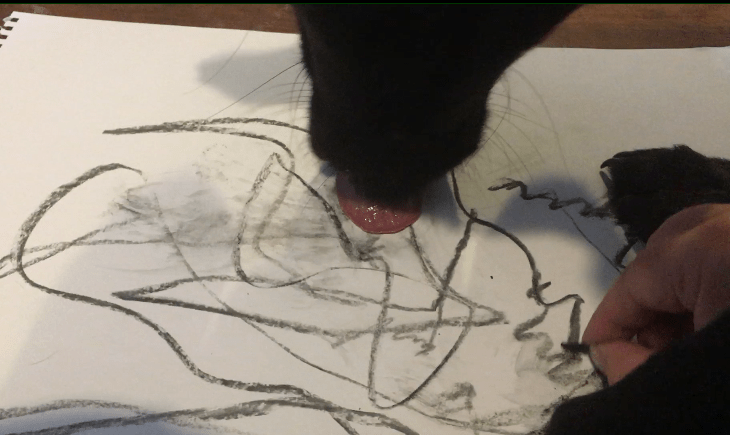
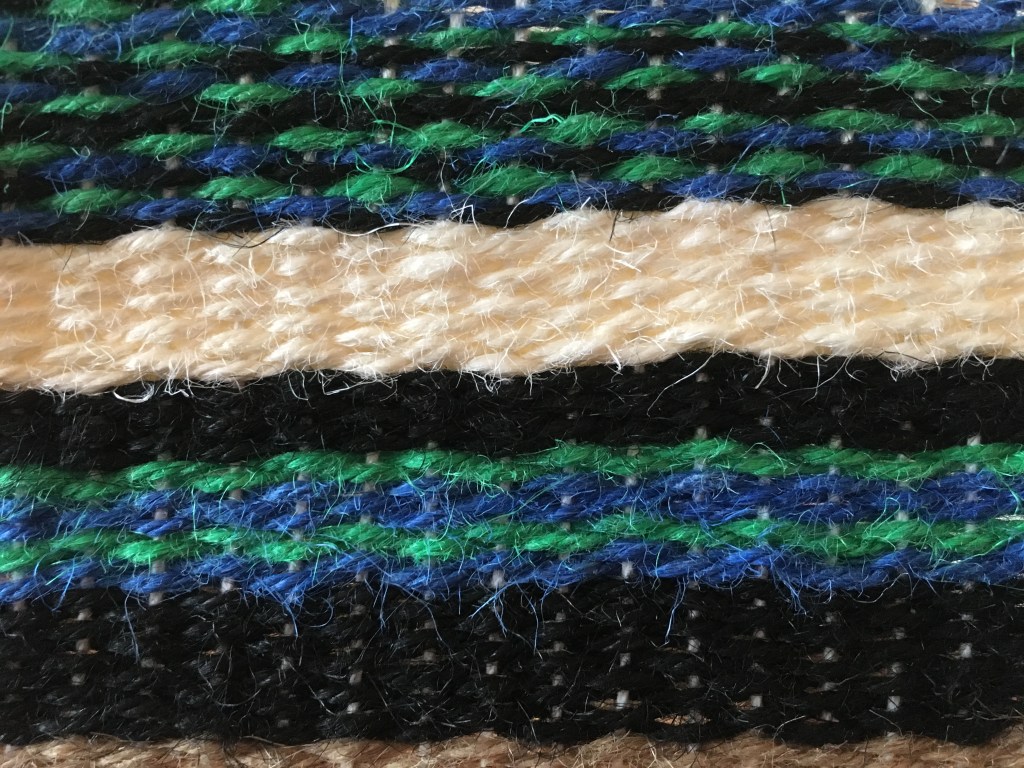

 Asymmetric Co-production